The modern sedentary lifestyle frequently leads to chronic muscle tightness and reduced range of motion, but practicing Yoga can counteract the physical toll of long hours spent at a desk or repetitive daily tasks. Unlike high intensity training, a restorative approach emphasizes long term joint health and muscular elasticity through controlled, mindful movement. By focusing on the connective tissues rather than just muscle fibers, individuals can achieve a deeper release of tension that translates into better posture and reduced physical fatigue.
Table of Contents
Physiological Mechanisms of Increasing Flexibility
When practicing targeted movements to enhance flexibility, the body undergoes specific biological changes. Stretching pulls on the fascia, the connective tissue that surrounds muscles, helping to reorganize fibers that may have become clumped or stiff from inactivity. This process facilitates better blood flow to the joints, delivering essential nutrients that aid in cellular repair. Systematic stretching also influences the nervous system by signaling the Golgi tendon organs to allow muscles to relax further, which gradually increases the safe range of motion over time.
Strategic Movement for Spinal and Hip Mobility
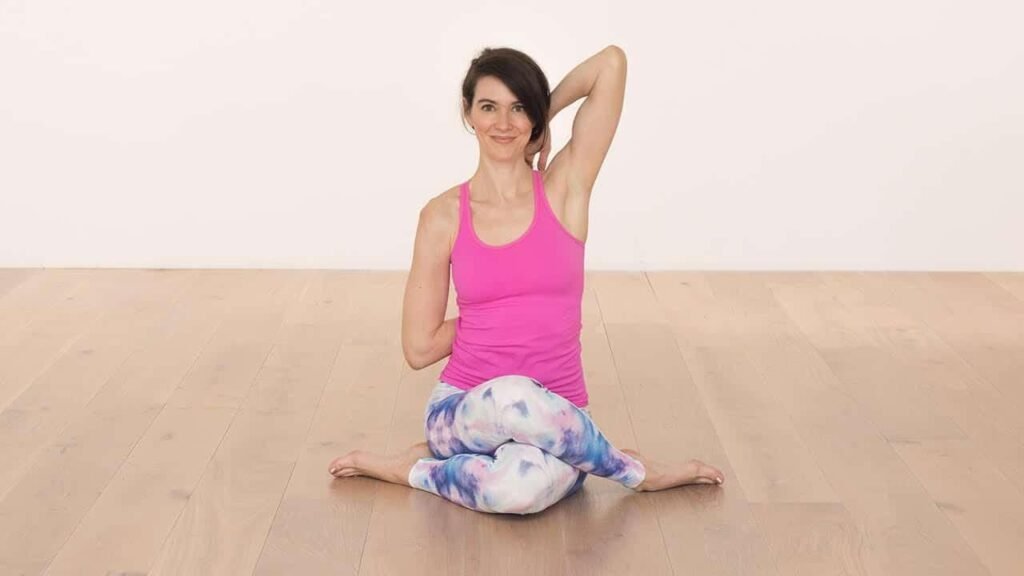
The spine and hips are the primary anchors of the human skeletal system and often the first areas to suffer from stiffness. Incorporating movements that encourage spinal extension and rotation helps maintain the integrity of intervertebral discs. Simultaneously, opening the hip flexors is crucial because tightness in this region often pulls the pelvis out of alignment, leading to secondary pain in the lower back. A balanced routine ensures that these two regions are addressed in tandem to provide a stable foundation for the rest of the body.
Comparative Impact of Stretching Techniques
| Method | Primary Goal | Intensity Level | Best Application |
| Static Stretching | Lengthening muscles | Low to Moderate | Post workout recovery |
| Dynamic Movement | Joint lubrication | Moderate | Pre activity warmup |
| PNF Stretching | Neuromuscular release | High | Advanced mobility gains |
| Restorative Yoga | Nervous system calm | Very Low | Daily stiffness relief |
| Active Isolated | Targeted fiber repair | Moderate | Injury rehabilitation |
Restorative Poses for Daily Integration
- Cat Cow Pose facilitates fluid spinal motion and synchronizes movement with breath.
- Child Pose provides a gentle traction for the lower back while resting the hips.
- Downward Facing Dog targets the entire posterior chain including calves and hamstrings.
- Butterfly Pose specifically addresses the adductors and inner hip area.
- Legs Up The Wall encourages lymphatic drainage and reduces swelling in the lower limbs.
- Cobra Pose opens the chest and counteracts the rounded shoulder posture common in office work.
Expert Insight and Practical Application
From a biomechanical perspective, the most effective way to utilize these poses is through the concept of micro stretching. Instead of dedicating a single hour once a week, performing three to five of these movements for just $0 cost over ten minutes every morning produces superior neurological adaptations. In real life, this means your body learns to maintain a relaxed state rather than a braced one. If you experience sharp pain, it is a signal to back off; the goal is a dull, pleasant tension that allows for deep diaphragmatic breathing. This consistent, low stress input is what eventually resets the resting length of your muscles.
Long Term Benefits of Consistent Practice
Developing a more supple body contributes to a significant decrease in the risk of everyday injuries. When muscles are flexible, they can absorb shock and sudden movements more effectively, protecting the ligaments and tendons. Furthermore, improved physical mobility often leads to better sleep quality as the body is not fighting against its own tightness during the night. The result is a more resilient physical frame that supports an active and pain free lifestyle well into later years.